
Differentiated Learning That Puts Students First
Legacy School offers a nonsectarian, private school setting for Preschool, Pre-Kindergarten, Jr-Kindergarten, Kindergarten, and Elementary students in Omaha.
The head administrators, Kelly Pedersen and Buffy Bacca, are educators with over 45 years of combined teaching experience. They have created a learning environment where the teachers and students are in control of the curriculum, allowing the classrooms to be individualized.
All teachers at Legacy School hold Bachelor’s or Master’s Degrees in Education. And, each classroom is staffed with a teacher and full-time teaching assistant.
While we do not focus our attention on test scores, our NWEA MAP Rit Scores are consistently above the national average.
Experience a new choice for your child’s education.
ACADEMIC ADVANTAGES
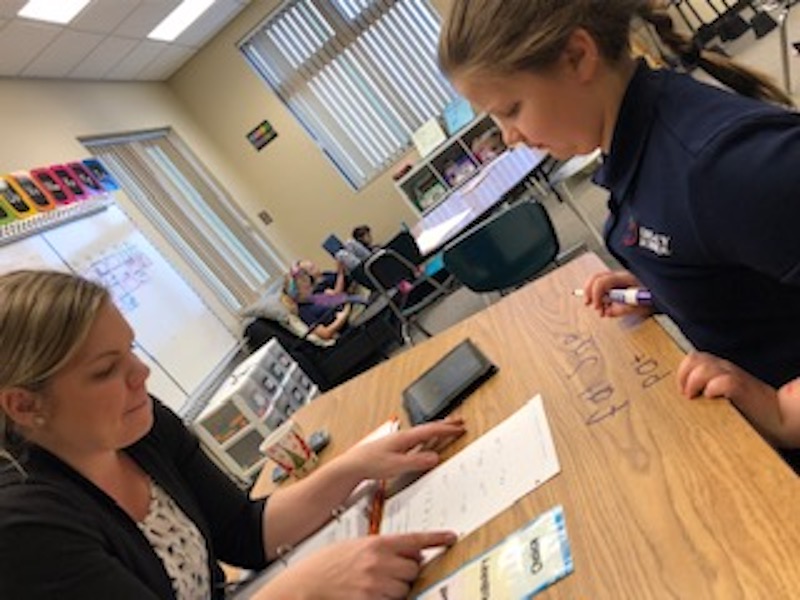
Legacy School allows students to excel beyond the typical standards. Instead of “teaching to the middle,” students are taught on their own level at their own pace. This type of evolutionary classroom experience supplies the necessary skills that allow students to become lifelong learners.
Rather than purchasing a “plastic” curriculum that is used year after year, Legacy School gives thoughtful consideration to individual students by creating and changing lessons as students’ needs and levels change.
Legacy Private School holds the highest educational expectations for students, as they attain their greatest potential. When you are ready to make a new choice for your student, head over to Admissions to start registration.
PRESCHOOL
Legacy School’s Preschool academics were developed knowing 3-year olds like to work at their own pace as they inquire about the world around them. Academics are theme-based and adhere to accreditation guidelines established by the National Association for the Education of Young Children (NAEYC) and Nebraska’s Department of Education Standards. In addition to theme-based instruction, Preschool students learn and explore through Legacy’s subject-based classrooms: Library, Discovery, Drama, Music, Art, Gym, and Outdoor Nature/Play.
PRE-K & JR-K
The Pre-K/Jr-K academics were developed knowing how inquisitive and thoughtful 4 and 5-year-olds can be. The Pre-K/Jr-K program prepares students for a lifelong love of learning as they flourish emotionally, socially, and cognitively. Academics are theme-based and adhere to accreditation guidelines established by the National Association for the Education of Young Children (NAEYC) and Nebraska’s Department of Education Standards. Each weekly theme serves as a framework for organizing content area learning. Students spend their time at school learning and playing in each of the bright, inviting subject-based classrooms.
ELEMENTARY
The core focus of Legacy’s Elementary academics is to supply the necessary skills that allow students to become lifelong learners. Teachers draw on a variety of resources to best support each student’s learning capabilities. Whereas a typical classroom has one curriculum program for a “one-size-fits-all” approach, Legacy School offers multiple curricular programs in each classroom. With that, teachers also have access to all grade level curriculums, enabling them to capitalize on each student’s strengths. This type of evolutionary teaching gives students the ability to reach their greatest potential.